
As spring 2025 gets closer and birds across the county start to breed, we thought it would be a great time to explain our latest decisions on withheld records and why these very records are still so important to us, even if they don’t get published on the website. We still greatly value all records of rare breeding birds, and any sightings not published will be saved into the county database to benefit conservation.
It is re-assuring to know that all UK nesting birds are protected under the Wildlife and Countryside Act (as amended) 1981, which makes it an offence to intentionally kill, injure or take any wild bird or take, damage or destroy its nest whilst in use or being built, or take or destroy its eggs. Some species, known as schedule 1 birds, have extra legal protection. For these bird species it’s also an offence to, either intentionally or by not taking enough care: (i) disturb them while they’re nesting, (ii) building a nest, (iii) in or near a nest that contains their young, or (iv) disturb their dependent young. An offender could get an unlimited fine and up to 6 months in prison for each offence if you’re found guilty if found guilty of this. A list of species that are Schedule 1 protected can be found by clicking here: List of Specially Protected Birds | BTO – British Trust for Ornithology
Some other species that breed in Cornwall are very rare and seriously under threat from extinction in the county and the country, such as Willow Tit and Curlew. They may not have the legal protection of schedule 1 birds, but the sightings team feel that they should still be given an extra layer of protection from disturbance, to offer the very best chance of successful breeding.
Despite this, we want our members to have the best possible chance of seeing some rarer breeding species safely, so have carefully chosen a number of ‘safe’ sites, where, with good behaviour, we can enjoy these species without harm. Full species accounts, with safe sites included, can be found below.
Please follow The Birdwatchers’ Code, and remember that the interests of the birds always comes first – especially during the breeding season.
Species Accounts:
- Barn Owl – A Schedule 1 Species that will often spend its entire life within its breeding territory. Therefore, we withhold records year-around to protect these areas. Our safe site is Walmsley Sanctuary and Middle Amble Reserve, where hunting Barn Owl can be seen from the safety and comfort of the three bird hides in the area.
- Cattle Egret – We become cautious with sightings from late March through to July. Cattle Egret may breed within our heronries and wetlands and could easily be affected by disturbance or targeted by egg thieves.
- Cetti’s Warbler – A Schedule 1 Species which seems to be doing well and increasing in the county. We now withhold sightings in April, May and June in order to protect them when they are breeding. Marazion Marsh RSPB is a designated safe site with numerous pairs.
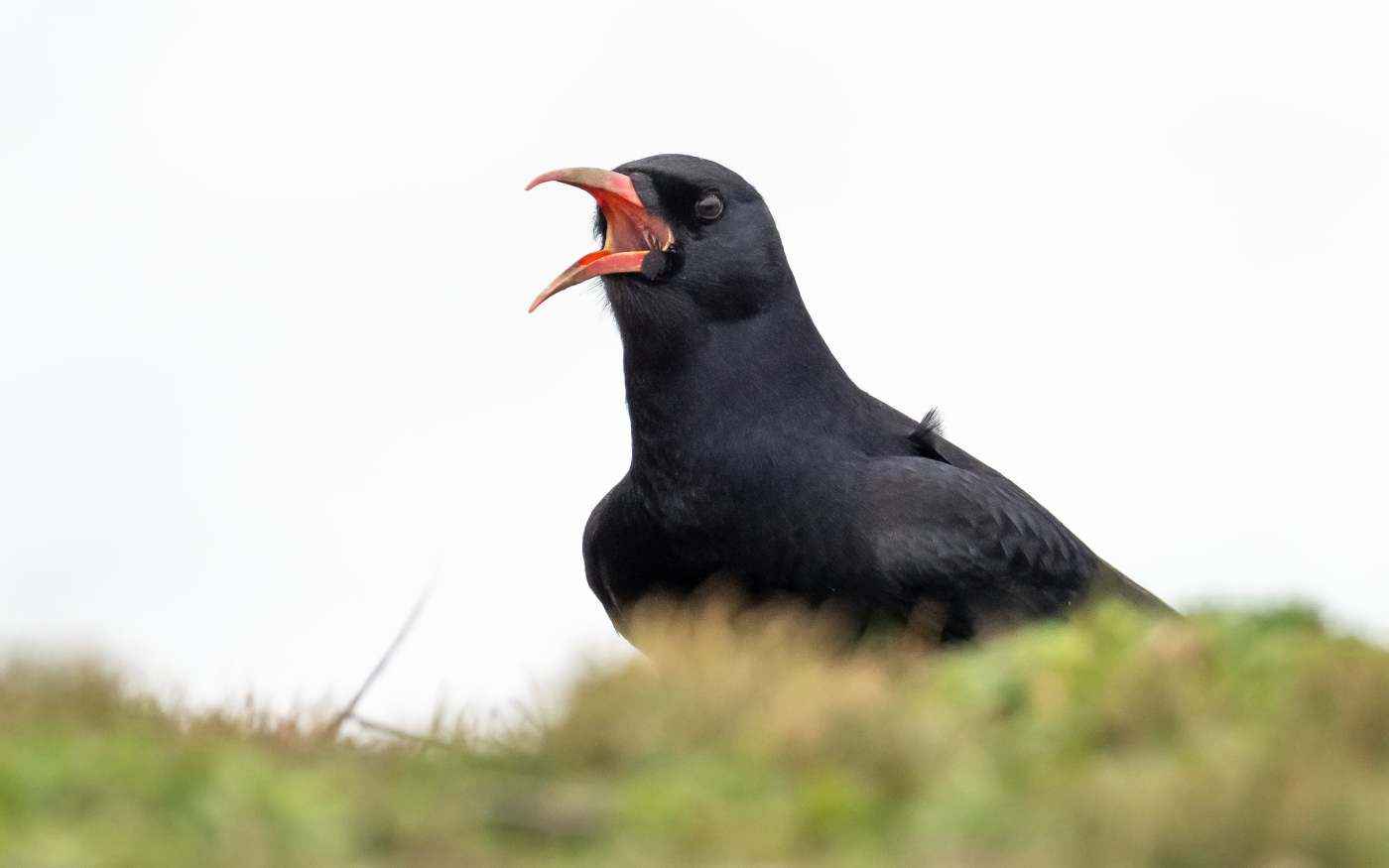
- Chough – A Schedule 1 species and although they are a remarkable conservation success story in Cornwall, they are legally protected, vulnerable to disturbance whilst nesting and could still be targeted by egg thieves. We withhold sightings from early spring, when adults return to their territories and then publicise when the young fledge and disperse in late summer.
- Cirl Bunting – A Schedule 1 species with a restricted range in Cornwall. Cirl Bunting will often remain close to their breeding sites year-round, so we may withhold records throughout the year. Rame Head Coastguard Cottages are a designated safe site.
- Common Snipe – Common Snipe may still breed in Cornwall in very small numbers. So we may aim to protect any potential breeding locations during the summer months. This is mainly in May and June.
- Corn Bunting – Sadly the Corn Bunting is quickly disappearing as a breeding species in Cornwall. Cornwall Birds will be actively surveying for Corn Bunting in 2025 in order to re-assess their breeding population densities. We’d love our membership to help with this and further information on how to take part will soon be disclosed. In the meantime we withhold sightings from the website in order to protect this small and fragile population that remains.
- Crossbill – Crossbill is a very early breeder, and has been known to nest in January in the south west. It is also Schedule 1 protected. So we withhold records from January to June in areas where they are likely to be breeding.
- Curlew – Curlew continue to decline in Cornwall and throughout the country. So we therefore withhold all records from likely breeding areas between March and July. Disturbance to this ground nesting species can cause desertion of the nest.
- Dartford Warbler – This is a Schedule 1 species and will often reside in its breeding territory year-around. So we withhold records throughout the year, to minimise disturbance at the breeding sites.
- Dipper – We previously withheld the majority of locations for this species. But we hope that disclosing more records will encourage more data to be sent in for this widespread, but declining species. Some sites will remain withheld where disturbance issues are a concern.
- Firecrest – Firecrest has undergone an incredibly rapid range expansion throughout Cornwall and is seemingly thriving in the county. However it remains Schedule 1 protected so we will be withholding records between April and July. Please don’t be encouraged to tape lure this species during the breeding season. We often see photos of males with their crowns raised and out in full view, which may be because they are responding to a tape. It is worth remembering that this will cause disturbance without great care and could be seen as a wildlife crime.
- Goshawk – We are again delighted to report that Goswhawk appears to expanding its range and population in Cornwall. However the species has a history of persecution throughout the country and is Schedule 1 protected. To stop any data getting into the wrong hands, we withhold records throughout the year.
- Grey Partridge – It remains to be seen whether there are any truly wild Grey Partridge left in Cornwall. They are now sadly a great rarity in the county. If we do receive records, we are inclined to withhold them in the breeding season. In the hope that they have the very best chance of breeding success.
- Hen Harrier – Mainly a wintering species which has sadly declined in Cornwall. Probably because of a knock on affect of persecution on their breeding grounds elsewhere in Britain. Hen Harrier is known to be persecuted and is loyal to a roost site. So we withhold the majority of records, in order to minimise disturbance.
- Hobby – A rare breeding bird in the county and Schedule 1 protected. We will publish any migrant records but withhold sightings where breeding is likely to take place.
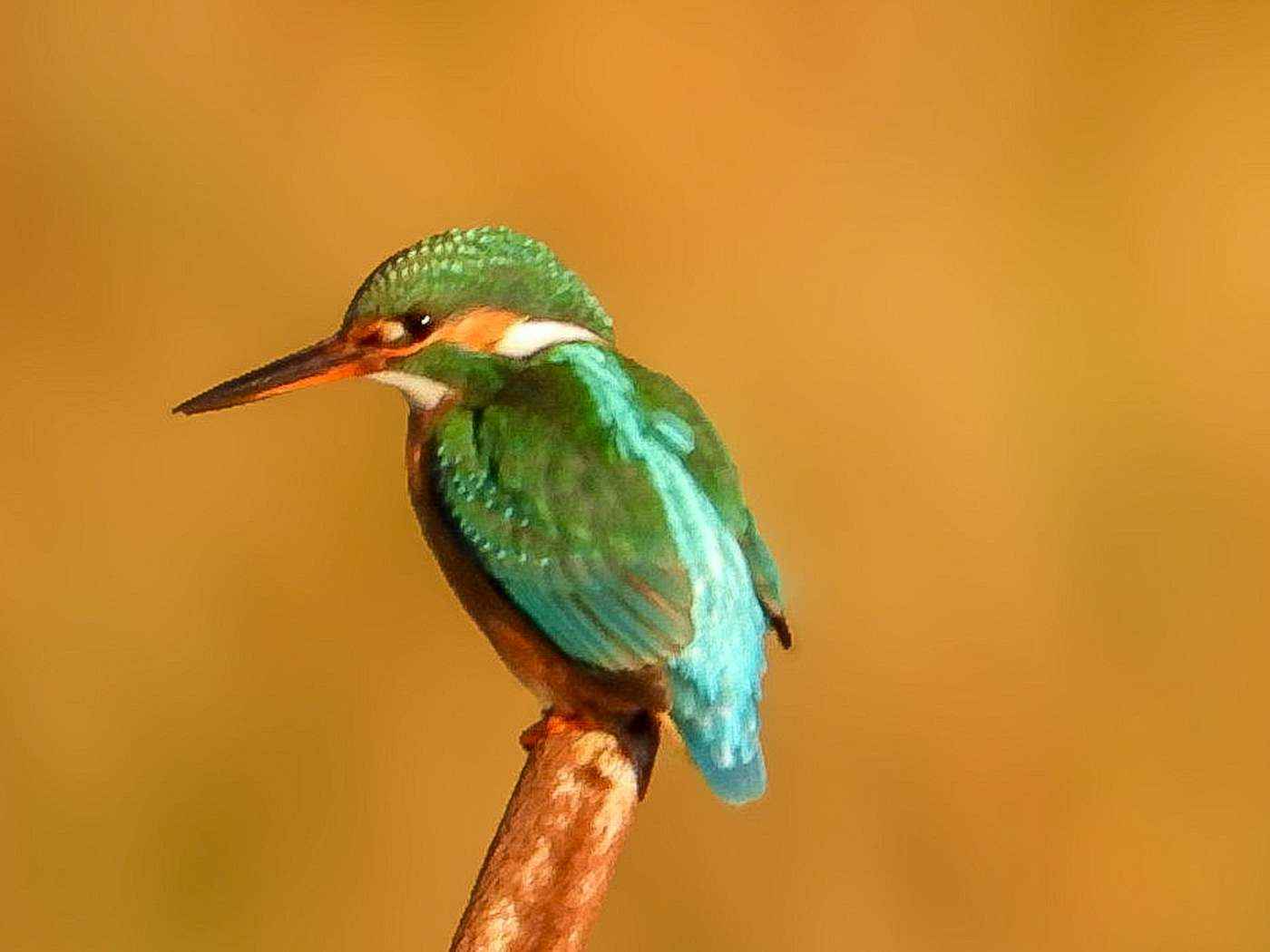
- Kingfisher – A Schedule 1 breeding species, so we withhold records from breeding sites between late March and July.
- Lapwing – Sadly now a very rare breeding bird, so we aim to protect this small population by withholding records between late March and July.
- Lesser Spotted Woodpecker – A species on the brink in Cornwall. Are there any left? We believe there probably are a few pairs left in remote locations, mainly in the east of the county. We would love to hear if you manage to see a Lesser Spotted Woodpecker, but will withhold the location to minimise potential disturbance to this very rare breeding bird.
- Little Egret – Although seeing a Little Egret is a common site, they are Schedule 1 protected in the breeding season. So we withhold records from breeding sites between April and July.
- Little Owl – A near mythical species in Cornwall now. Currently we don’t know of any sites in the county that hold this species, but I remain optimistic that a few pairs remain hidden. If you ever find a Little Owl please do send in the record to CBWPS, but we will withhold it to protect the site from disturbance.
- Long-eared Owl – A rare breeding species in Cornwall and a rare passage migrant. We withhold breeding records for this species, which are known to call from their territories from early January. A ‘twitchable’ record is long overdue and could be watched safely, so long as sensible distances were kept from a roosting bird in the daytime.
- Marsh Harrier – How fantastic that Marsh Harrier now breeds in Cornwall! However, as for many birds of prey, they are at risk of persecution, including the risk from egg collectors. We withhold records in the breeding season for this very reason. We understand that they can be seen from very public birding reserves but feel it is sensible to not promote their presence on the internet.
- Nightjar – Nightjar does seem to have a stable population as a breeding bird in Cornwall. But these localities are reasonably low in number and as a ground nesting species it is in danger from too much disturbance in the breeding season. We therefore withhold records where breeding is likely to take place.
- Peregrine – We are sad to say that Peregrine still faces many threats of persecution, mainly from people not linked to birding. It is also Schedule 1 protected in the breeding season. Our coastal population has suffered a decline in recent years and with these factors in mind, we choose to withhold all records.
- Red Kite – Slowly but surely Red Kite is gaining a foothold as a breeding species in our county. Breeding has now been confirmed twice and I suspect there are roughly 6 pairs in the county. If you receive an email explaining we have withheld a record, it is because it is within a known or suspected territory. We will publish any obvious migrants, including when there are large influxes in May and June.
- Short-eared Owl – At risk of persecution in the breeding season and also very vulnerable to disturbance on wintering grounds. We choose to withhold records in order to protect them from a small minority of birders and photographers who have been known to disturb birds from well-known roost sites and spend too long watching them from too close a viewpoint. Short-eared Owls only have so much time every day to catch enough food to maintain good condition. If they can’t behave naturally and hunt around preferred field margins they have been known to succumb, especially after periods of adverse weather.
- Whinchat – Sadly we have nearly lost Whinchat as a breeding species in Cornwall and the remaining population is very vulnerable. We continue to publish records of migrant birds but withhold records from the few breeding sites that remain.
- Willow Tit – Sadly the Willow Tit holds the unwanted status of the fastest declining breeding species in Britain. We still have a population which is stable in some areas but declining in most. The majority of records are withheld to minimise disturbance to them, except for the designated safe site of the Tamar Lakes. Here they can be seen here along the various trails and you may even spot a bird with a colour ring. This forms part of a new conservation project and reporting all sightings and colour ring reads will add to our understanding of the species as we strive to save it.
Our final message is please do send in your records of these species to CBWPS! Your shared data will help conserve them by building up a picture of their populations in Cornwall. It is also worth noting that we are often consulted before developments take place, so if we know of a rare breeding species we can flag this up and protect them!
Please do not be disheartened if your record gets withheld from the website. It is often the most valuable data provided to us, and you will receive an explanatory email from the CBWPS sightings team. Alternatively, you can always email records solely to the county recorder at recorder@cbwps.org.uk and Bob is honour bound not to share these locations with others if instructed.